1899
Melaka Leizhou Association
97 Jonker Street, Melaka
Founded by Zhanjiang-origin migrants in the heritage core. More than 1,000 members; a youth section; named among delegates at the first World Leizhou Peninsula Friendship Conference, 2018.
A small people, a long memory, new roots across Malaysia.
Read it as a story below, or jump straight to a topic.
A thunder-named peninsula, and a deep ancestry.
Why they left, and how they came south.
Clan houses on Jonker Street and in Muar.
The tongue, the gods, the food, and the ties that hold.
Chapter I · Origins
Long before Malaya, there was a peninsula at the far south of China, shaped by the sea and named for thunder.
The Lui Chew (雷州, in modern pinyin Leizhou) come from the Leizhou Peninsula in Zhanjiang, southwestern Guangdong. They speak Leizhou Min, a branch of Min Chinese that is close kin to Hainanese yet not mutually understood with it. Their ancestors were themselves migrants: Min-speaking families from Fujian, many from around Putian, who moved south to the peninsula in the late Song dynasty.
Leizhou is no backwater. It is a recognised National Historic and Cultural City, long the only county-level city in Guangdong to hold that rank. In the Song dynasty, exiled statesmen carried the learning of the Central Plains here: the chancellor Kou Zhun, who died in Leizhou; Su Che, exiled here, and his brother Su Shi, who passed through on his way to Hainan; the poet Qin Guan. The city honours them still as the Ten Worthies.
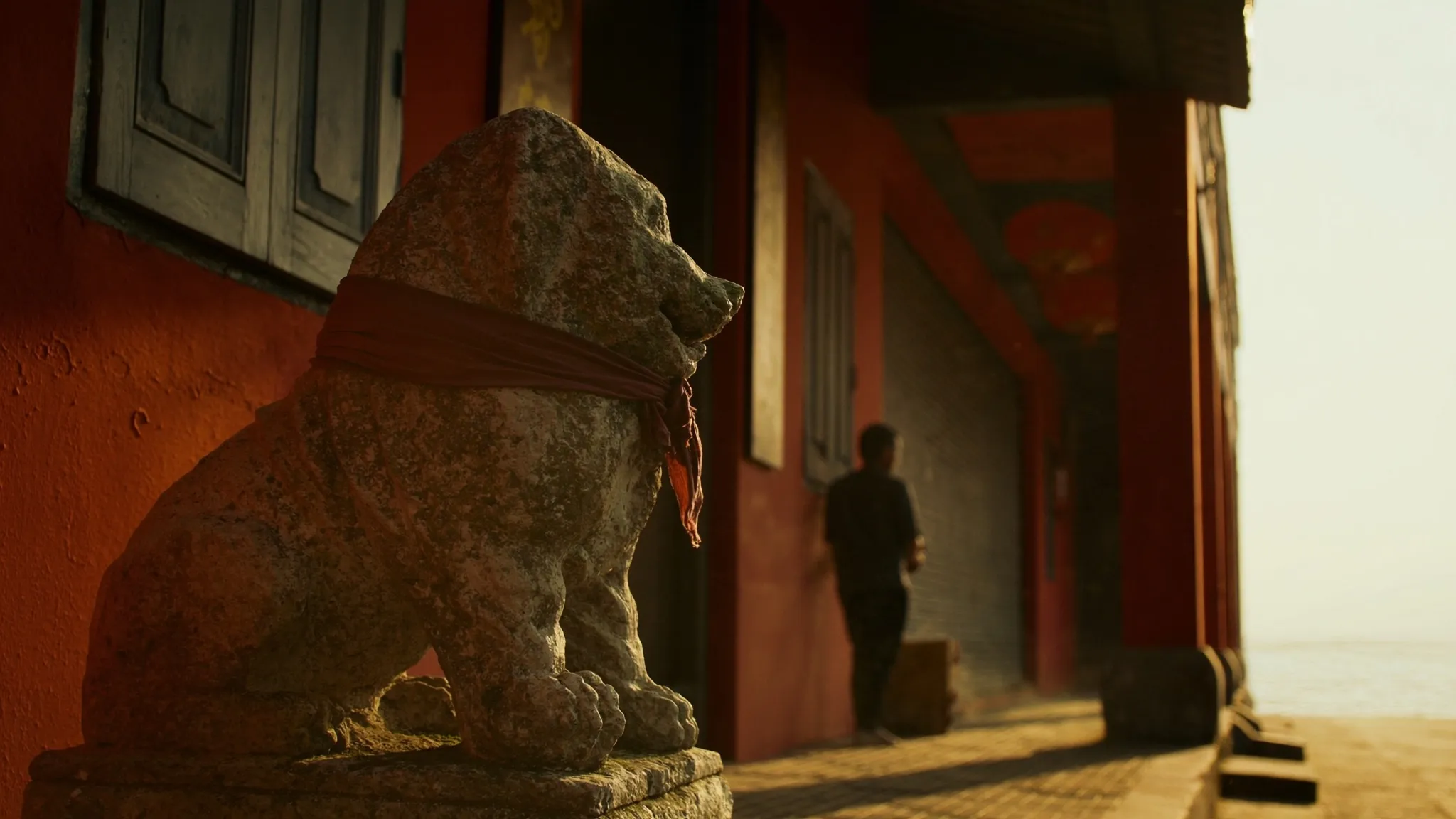
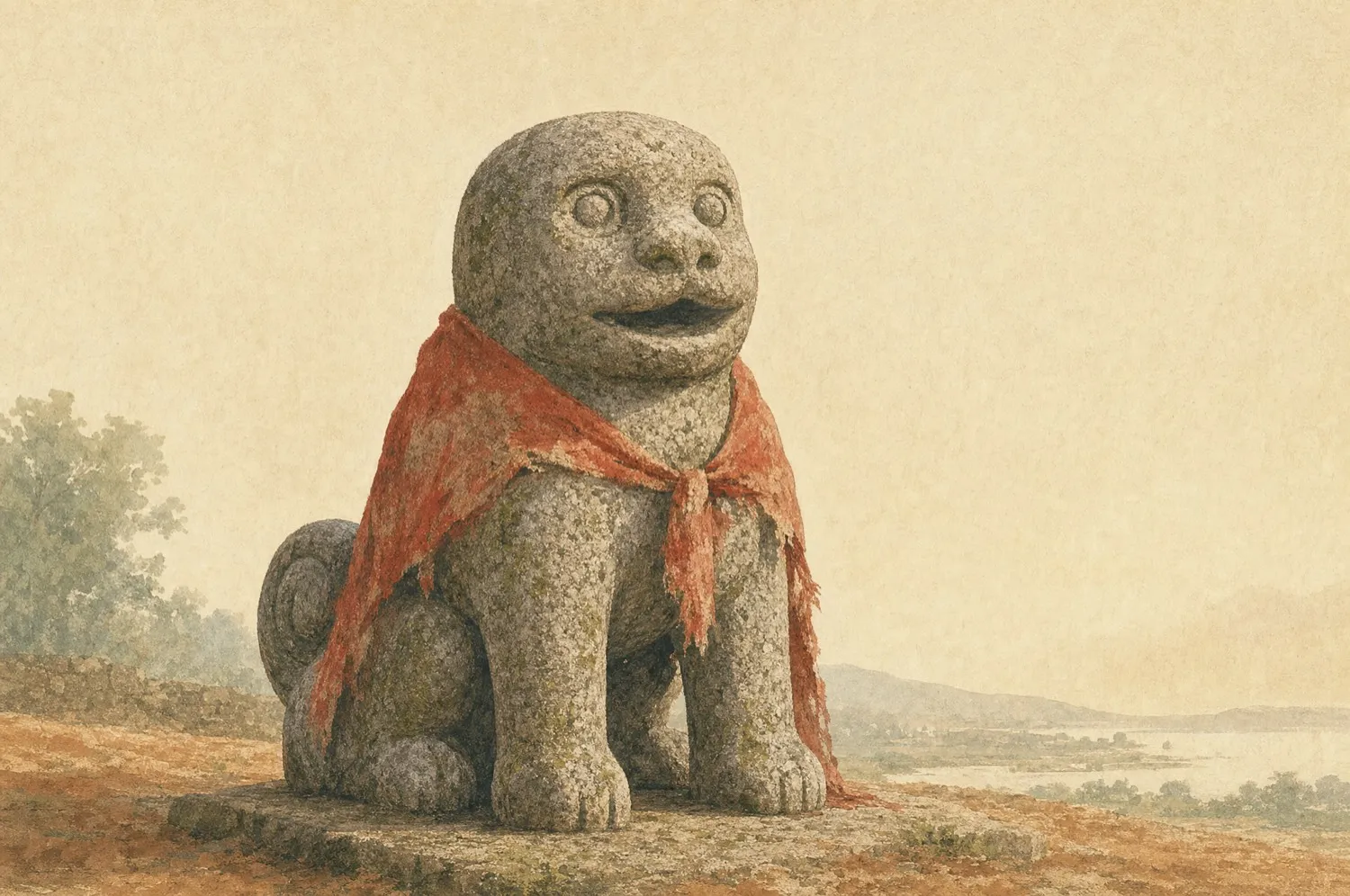
And it is a land of thunder. The deity venerated across the peninsula, the Thunder Ancestor, was a real person: Chen Wenyu, the founding Tang-era prefect, later deified. Carved stone dogs keep watch at village doorways, the oldest folk guardians of this coast.
In the long century after the Opium War, the people of South China went to sea. The Lui Chew went among them: a small group, late to arrive.
After the First Opium War and the Treaty of Nanjing, Qing subjects gained the right to work abroad. British Malaya was hungry for hands to cut rubber and dig tin, and steamships made the crossing routine. From the coasts of Guangdong, Fujian and Hainan, labourers known as coolies (苦力) sailed for Nanyang, the lands of the South Seas.
The Lui Chew crossed by the same kinship that pulled every dialect group abroad. Those already settled, the elder hands, housed and financed and found work for the new arrivals. Dialect bound livelihood: the bang (帮) system steered each group into its own trades and reserved them for its own.
Theirs was never a mass migration. Even the Hainanese, their closest kin, were only about three percent of Malaya’s Chinese and among the last to arrive. The Lui Chew were smaller still. This is a story of a few thousand, not a multitude, which is exactly why it is worth telling before it is forgotten.
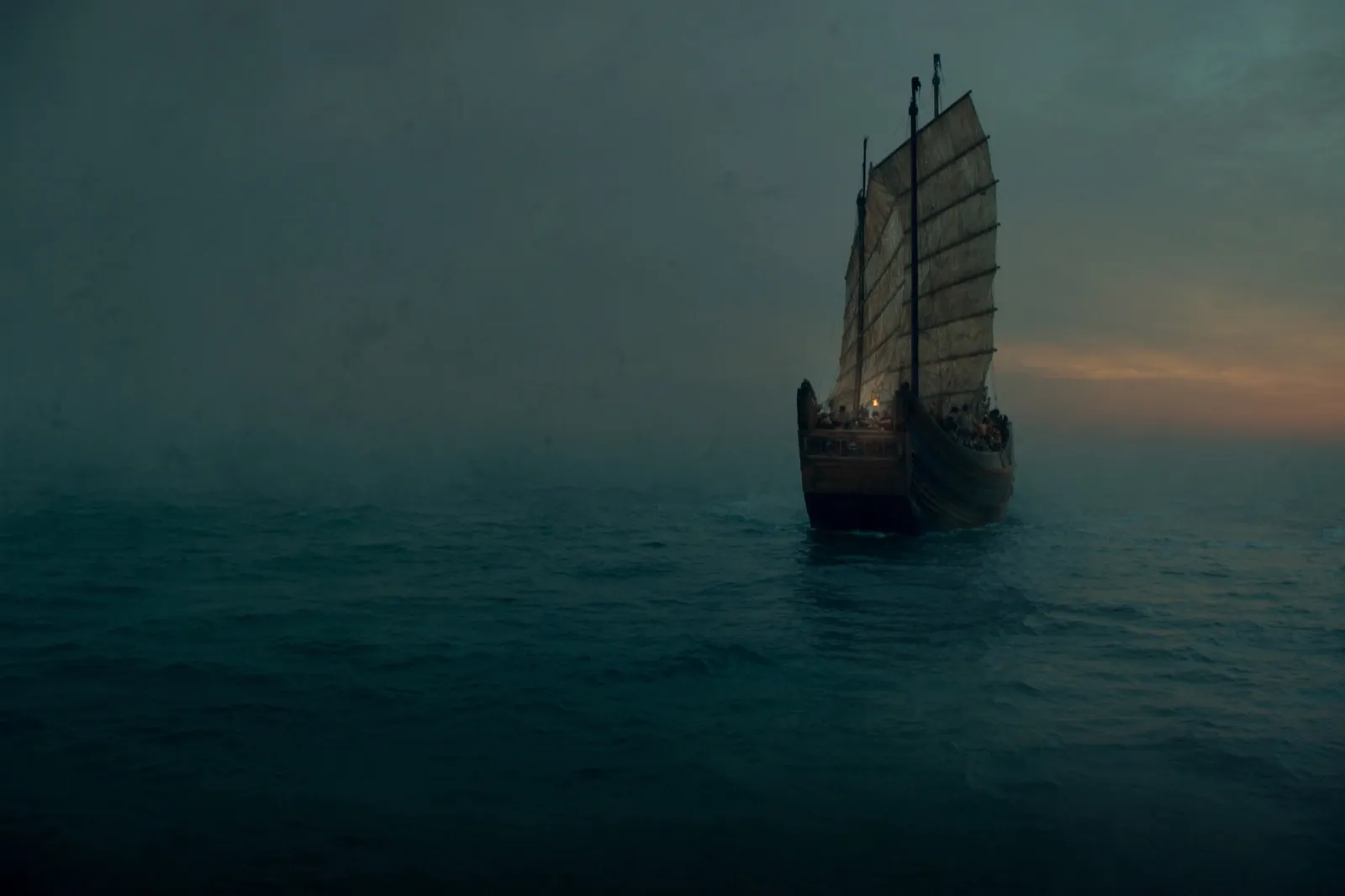
Across the Strait of Melaka, by lantern and tide.
Chapter II · The Crossing
Chapter III · Taking root
They organised early. Wherever the Lui Chew put down along the Malayan coast, they built a home of their own.
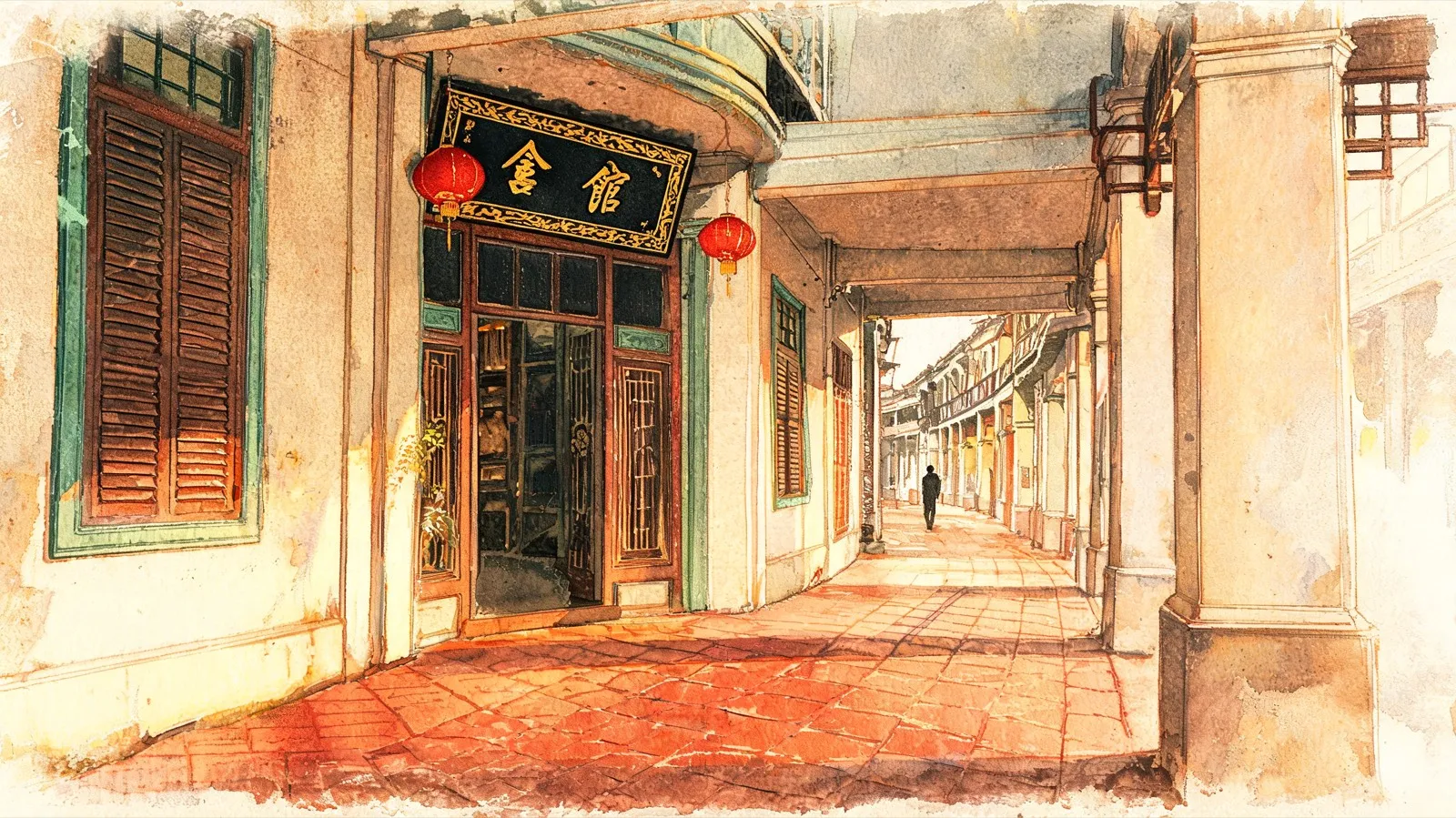
Up and down the peninsula’s west coast, the Lui Chew raised clan houses, the meeting halls known in Chinese as huiguan (会馆). The oldest belongs to Melaka. On Jonker Street, in the heart of what is now a UNESCO World Heritage city, stands the Melaka Leizhou Association. By its own tradition it was founded in 1899, by migrants whose roots ran back to Zhanjiang. Today it counts more than a thousand members and keeps a youth section to draw in the next generation.
A clan house was never just a building. It received the newcomer off the boat, gave him a bed and a meal and a name to ask for, settled quarrels, kept a shrine, ran scholarships, and buried its own. It was a homeland in miniature, held together by the simple fact of having come from the same place.
The fullest record belongs not to Melaka but to Muar, in Johor, where the Lui Chew kept careful note of their own beginnings.
At least two are well documented. The list is not exhaustive; more may exist across the peninsula’s west coast.
Founded by Zhanjiang-origin migrants in the heritage core. More than 1,000 members; a youth section; named among delegates at the first World Leizhou Peninsula Friendship Conference, 2018.
Began as a Leizhou mutual-aid group under Zheng Maolan around 1913; a clan house at 76 Jalan Lima opened in 1934, with a shrine below and lodging for sojourners above. Renamed in 1994; the Lui Chew Building followed in 2004.
Chapter III, continued
On Jonker Street, by migrants rooted in Zhanjiang.
Zheng Maolan gathers fellow Lui Chew for mutual aid.
A two-storey hall at 76 Jalan Lima: shrine below, lodging above.
Larger quarters at Jalan Sisi after years of community fundraising.
Dues reformed; all members made permanent; scholarships added.
A commercial tower to fund the community’s welfare.
Malaysian associations join the first World Leizhou Peninsula Friendship Conference in Zhanjiang.
Chapter IV · The Living Thread
What does a small people carry across an ocean and a century? A tongue, a god, a song, a taste of home.
Their dialect is the heart of it, and the most fragile. Overseas it survives among only a few thousand, an endangered tongue that, strangely, still keeps archaic sounds that the homeland itself has lost. The younger generation reaches for Mandarin. Each of these is a thread worth holding before it slips.
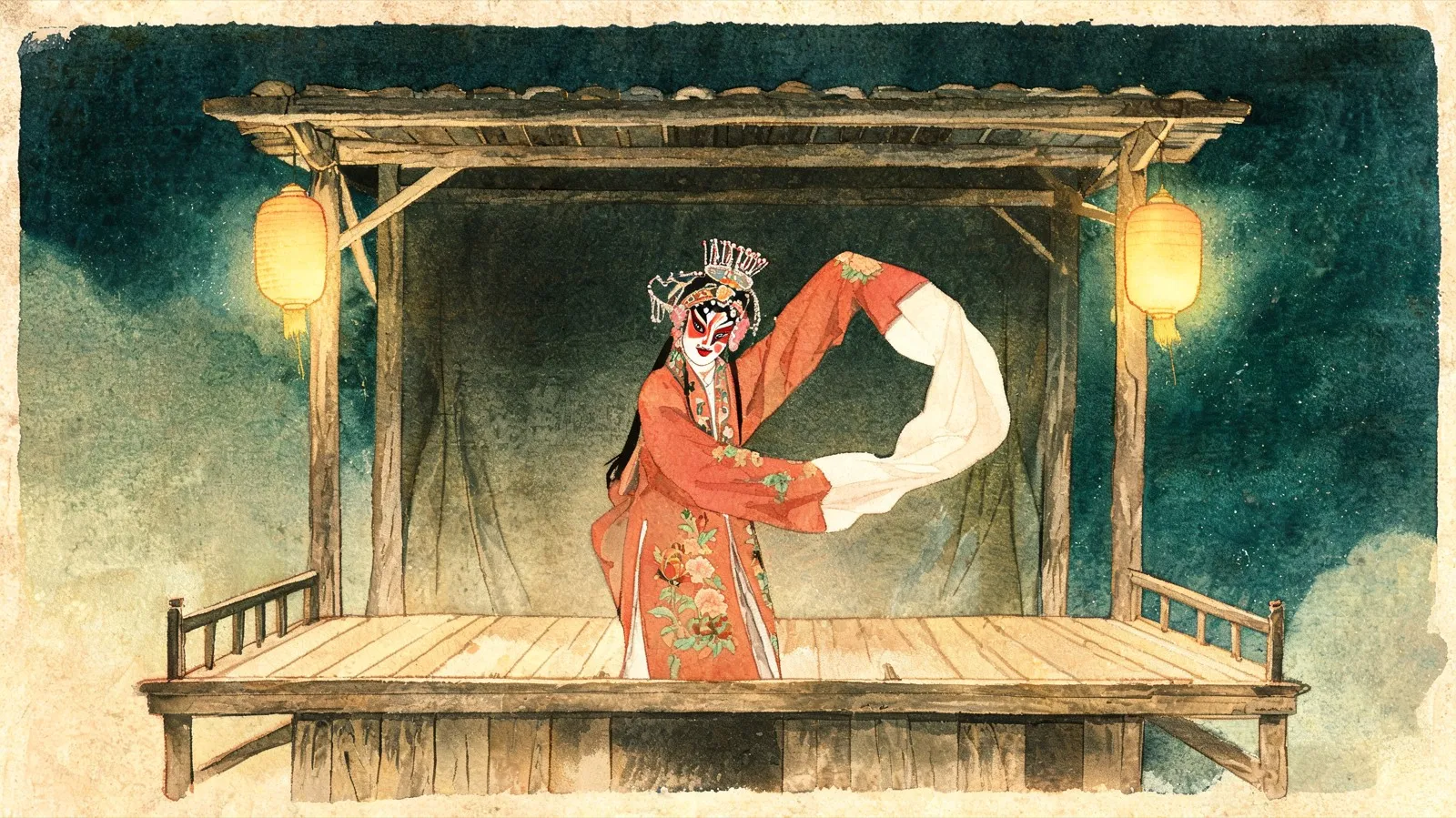
A branch of Min Chinese, close kin to Hainanese. Endangered overseas, yet keeping sounds the homeland has lost.
Veneration of the Thunder Ancestor, and the carved stone-dog guardians unique to the peninsula.
Leizhou opera and song, both national intangible heritage; the drum-changing rite is famed as first of the Four Wonders.
Light, sea-fed cooking: the great rice dumpling (大粽), rice cakes, roast pork, shrimp cakes, oysters.
No nationally famous Malaysian is reliably documented as Lui Chew. That is part of the honesty of this story. The figures worth remembering are the community builders: Zheng Maolan, who first gathered the Lui Chew of Muar; Chen Shanqing and Chen Yongzhu, who gave the Johor association its land and its first hall; and the elders who keep the clan houses alive today.
Chapter V · Homeland & Ties
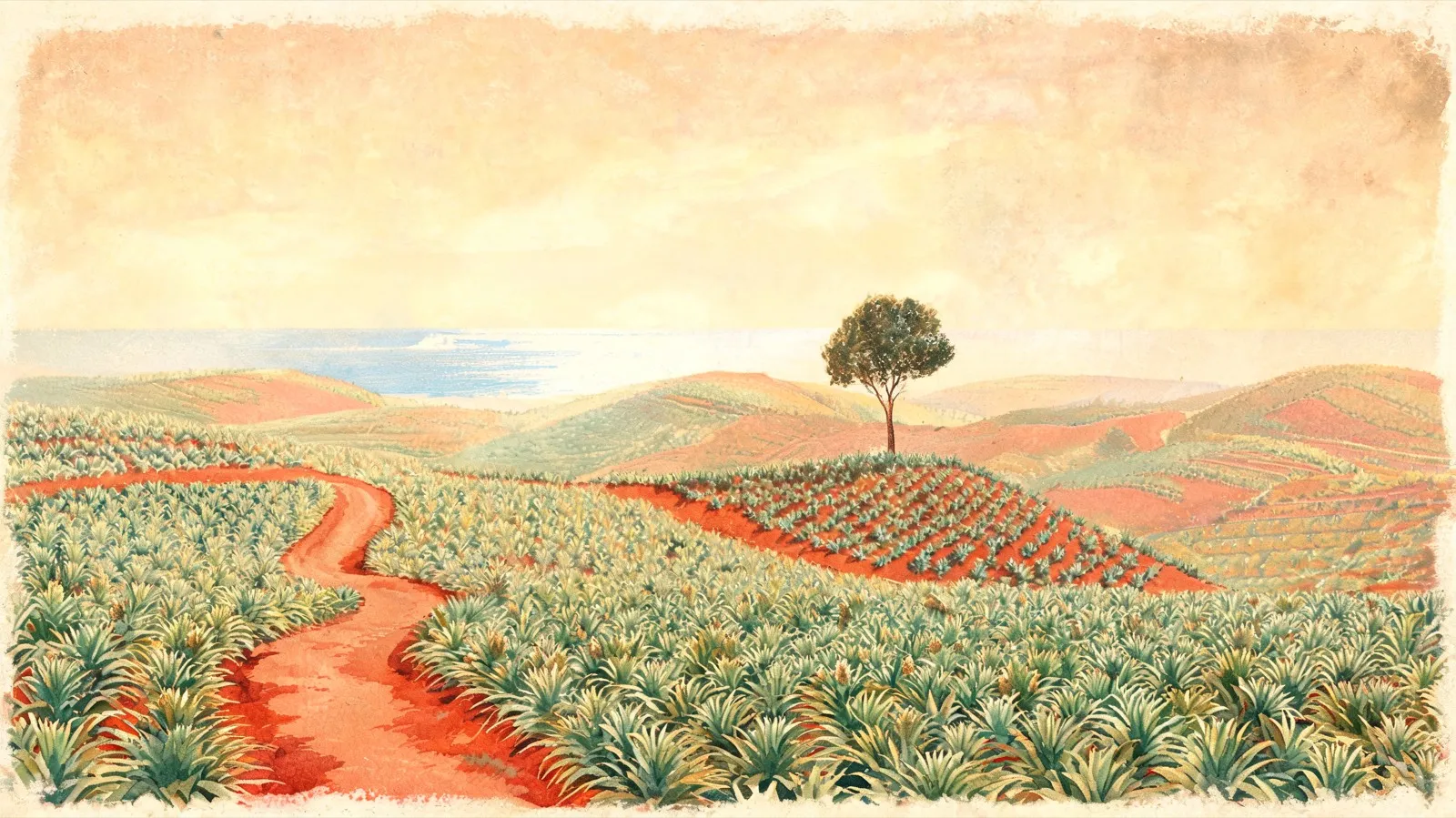
The "pineapple sea" of Xuwen — red earth the emigrants left, now a horizon of harvest.
The peninsula they left is no longer the poor coast of the coolie ships. The thread now runs both ways.
Modern Zhanjiang, which holds old Leizhou, has become one of China’s great coastal economies. It calls itself the country’s prawn capital, and says that three of every five prawns in China come from its waters. It is the nation’s largest pineapple base and a major grower of sugarcane. On its shore stand the Baosteel Zhanjiang works and the BASF Verbund site, a chemical complex of roughly nine billion euros that began production at the end of 2025.
Across the diaspora, the Lui Chew hold to the old country in the way of all qiaoxiang (侨乡), the home regions of overseas Chinese. In 2018 the first World Leizhou Peninsula Friendship Conference gathered their associations from Italy to Australia to Malaysia, the Melaka Leizhou Association among them. The crossing that began with a one-way passage has become a conversation.
Beyond the story: who the Lui Chew are, how this record was built, and every source behind it.
The short answer, the long answer, and how the Lui Chew differ from the Hainanese.
→ Where we come fromThe thunder-named Leizhou Peninsula — its geography, history, and the booming coast of today.
→ A deeper originThe deep, surprising kinship with the Austronesian world — the crossing as a reunion.
→If you are a descendant, an elder, or a researcher, you can carry this further: learn a word of the dialect, visit a clan house, or share a family story or a correction. This record is offered in good faith, with its gaps marked honestly. Where we are unsure, we say so.